How Antioxidants in Fruits and Veggies Fight Inflammation and Disease
Zooming in on Fruits and Vegetables
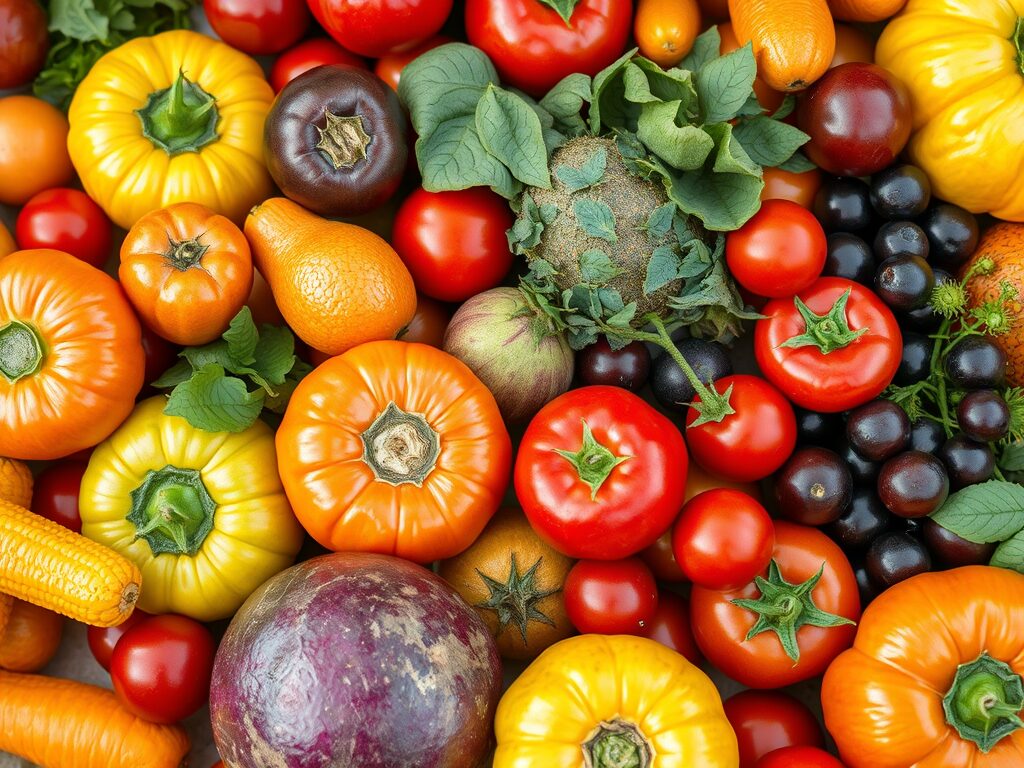
Nature has a remarkable way of packaging potent medicine within the vibrant hues of fruits and vegetables. Antioxidants are compounds that act as our body’s personal protectors, tirelessly working to neutralize harmful free radicals, reduce inflammation, and safeguard us from a spectrum of chronic diseases. Fruits and vegetables are brimming with antioxidants. The color of a fruit or vegetable often indicates the specific types of antioxidants it contains, each offering unique benefits to our health.
The Science of Antioxidants and Inflammation
Before diving into the colorful world of produce, let’s briefly understand the critical role antioxidants play. Our bodies are constantly undergoing metabolic processes that, while vital, can produce unstable molecules called free radicals. These free radicals can damage cells, proteins, and DNA, leading to a state known as oxidative stress. Oxidative stress is a key driver of chronic inflammation, a silent threat that underlies many debilitating diseases, including heart disease, diabetes, cancer, and neurodegenerative disorders.
Antioxidants are the heroes in this scenario. They donate electrons to free radicals, stabilizing them and preventing them from causing damage. By mitigating oxidative stress, antioxidants effectively dampen the inflammatory response, helping to maintain cellular health and prevent the onset and progression of chronic conditions.
Red: The Heart’s Defenders and Cancer Fighters
Think of the vivid reds of tomatoes, watermelon, strawberries, and cranberries. These vibrant foods owe their color primarily to lycopene and anthocyanins.
- Lycopene: Found in high concentrations in cooked tomatoes, lycopene is a powerful carotenoid antioxidant renowned for its heart-protective qualities. It helps reduce LDL (“bad”) cholesterol oxidation, a crucial step in the development of atherosclerosis (hardening of the arteries). Studies have also linked higher lycopene intake to a reduced risk of prostate, lung, and stomach cancers. Its anti-inflammatory properties further contribute to cardiovascular health.
- Anthocyanins: These flavonoids give berries, cherries, and red grapes their rich crimson and purple hues. Anthocyanins are potent anti-inflammatory agents that can improve blood vessel function, lower blood pressure, and reduce the risk of heart disease. They also exhibit significant anti-cancer properties by inhibiting tumor growth and inducing apoptosis (programmed cell death) in cancer cells. Furthermore, anthocyanins have been shown to improve cognitive function and protect against neurodegenerative diseases.
Orange & Yellow: Vision Enhancers and Immune Boosters
The fall tones of carrots, sweet potatoes, pumpkins, mangoes, and oranges are a testament to the presence of beta-carotene and flavonoids.
- Beta-Carotene: This is the most famous carotenoid, abundant in orange and yellow vegetables. Beta-carotene is a precursor to Vitamin A, essential for good vision, immune function, and skin health. As an antioxidant, it helps protect cells from damage, particularly in the eyes, reducing the risk of age-related macular degeneration. Its anti-inflammatory effects also support overall immune system strength, helping the body ward off infections.
- Flavonoids: Citrus fruits like oranges and lemons are rich in various flavonoids, including hesperidin and naringenin. These compounds possess strong anti-inflammatory and antioxidant capabilities. Hesperidin, in particular, has been linked to improved blood vessel health and reduced risk of stroke. Flavonoids also play a role in supporting detoxification pathways in the liver, further contributing to overall protection against disease.
Green: Detoxifiers and Cellular Protectors
Leafy greens like spinach, kale, broccoli, and Brussels sprouts are nutritional powerhouses, packed with a diverse array of antioxidants, including lutein, zeaxanthin, sulforaphane, and Vitamin C.
- Lutein and Zeaxanthin: These carotenoids are particularly concentrated in spinach, kale, and other dark leafy greens. They are crucial for eye health, acting as natural filters against harmful blue light and reducing the risk of cataracts and age-related macular degeneration. Their antioxidant properties also protect the delicate tissues of the eyes from oxidative damage.
- Sulforaphane: Found abundantly in cruciferous vegetables like broccoli and Brussels sprouts, sulforaphane is a potent compound known for its anti-cancer and detoxification properties. It activates enzymes in the body that help neutralize carcinogens and reduce inflammation, offering significant protection against various cancers, including breast, prostate, and colon cancer.
- Vitamin C: While present in many colorful foods, green vegetables are an excellent source. Vitamin C is a powerful water-soluble antioxidant that protects cells from oxidative damage, boosts immune function, and is vital for collagen production, which supports skin, joint, and blood vessel health. Its anti-inflammatory actions are widespread throughout the body.
Blue & Purple: Brain Boosters and Anti-Aging Agents
The deep blues and purples of blueberries, blackberries, purple cabbage, and eggplant signal a high concentration of anthocyanins.
- Anthocyanins (again!): These remarkable flavonoids, as mentioned with red foods, are exceptionally abundant in blue and purple produce. Their powerful antioxidant and anti-inflammatory properties make them important for brain health. They can cross the blood-brain barrier, protecting brain cells from oxidative stress and inflammation, which are implicated in cognitive decline and neurodegenerative diseases like Alzheimer’s and Parkinson’s. Regular consumption of anthocyanin-rich foods has been linked to improved memory, learning, and overall cognitive function. They also contribute to cardiovascular health by improving blood vessel elasticity and reducing blood pressure.
White & Tan: Immune Enhancers and Gut Supporters
The less colorful produce like garlic, onions, mushrooms, and cauliflower also have important roles. These foods contain unique antioxidants and beneficial compounds.
- Allicin: Found in garlic and onions, allicin is a sulfur-containing compound responsible for their pungent aroma and powerful health benefits. Allicin has strong antioxidant, anti-inflammatory, and antimicrobial properties. It can help lower cholesterol, reduce blood pressure, and boost immune function, offering protection against infections and cardiovascular disease.
- Quercetin: Present in onions, apples, and cauliflower, quercetin is a potent flavonoid antioxidant that exhibits significant anti-inflammatory and antihistamine properties. It can help alleviate allergy symptoms, reduce the risk of heart disease, and may even have anti-cancer effects.
- Selenium: Mushrooms are a good source of selenium, a trace mineral that acts as a powerful antioxidant, particularly when incorporated into selenoproteins. Selenium plays a crucial role in thyroid function, immune health, and DNA synthesis, and helps protect cells from oxidative damage.
Embracing the Rainbow for Optimal Health
The message is clear: to harness the full spectrum of antioxidant benefits and effectively combat inflammation and disease, we must eat a diverse range of colorful fruits and vegetables. Each color group offers a unique blend of protective compounds that work synergistically to support our health from head to toe.
Making a conscious effort to “eat the rainbow” every day is one of the most proactive and delicious steps we can take to safeguard our well-being, reduce our risk of chronic illness, and promote a vibrant, healthy life. So, fill your plate with nature’s colorful shield and enjoy the protective power of every bite.
Read more here:
Looking for antioxidants in the Haitian diet? Read more here.