Beyond the Exhaustion: A Deep Dive into Iron Deficiency Anemia for Black Women
“I’m just tired.”
It’s a phrase many Black women say daily. We balance careers, families, community, and the weight of the world, so we often view fatigue as a badge of our strength or an inevitable part of being a “strong Black woman.” But what if that bone-deep exhaustion isn’t just your schedule? What if it’s your blood?
Iron deficiency anemia (IDA) is a silent epidemic. In the United States, Black women are disproportionately affected by anemia, yet our symptoms are frequently dismissed or misdiagnosed. Understanding the “why” behind your low iron is the first step toward reclaiming your energy and your health.
Why are Black Women at Higher Risk?
The statistics are jarring, but they don’t exist in a vacuum. The prevalence of anemia in our community is tied to a combination of biological, systemic, and nutritional factors:
- Uterine Fibroids: Black women are up to three times more likely to develop fibroids than white women, and they often develop them at a younger age. Fibroids can cause extremely heavy menstrual bleeding (menorrhagia), which is a leading cause of iron loss.
- Nutritional Gaps: While Haitian and Caribbean diets are rich in whole foods, the transition to a Western “diaspora” diet often introduces more processed foods that lack bioavailable iron.
- Medical Gaslighting: Historically, the symptoms of Black women—pain and fatigue—are taken less seriously by providers. Many women are told their heavy periods are “normal,” leading to years of undiagnosed chronic iron loss.
Stop Chasing Your Tail: Find the Root Cause
Many women spend years “chasing their tail” with iron supplements. They take a pill, their levels go up slightly, they stop the pill, and three months later, they are crashing again.
If you are constantly iron deficient, you don’t just have an “iron problem”—you have a “source problem.”
If your “iron bucket” has a hole in the bottom, you can pour in as much iron as you want, but it will never stay full. You must identify where the leak is:
- Is it Heavy Bleeding? If you are soaking through a pad or tampon every 1–2 hours or passing clots larger than a quarter, your iron deficiency is likely a symptom of a hormonal imbalance (like fibroids or PCOS).
- Is it Malabsorption? Even if you eat enough iron, your gut might not be absorbing it. Conditions like Celiac disease, H. pylori infections, or low stomach acid can prevent iron from entering your bloodstream.
- Is it Dietary? Are you relying solely on non-heme (plant-based) iron without the necessary “activators” to help your body use it?
Instead of being stuck in a supplementation cycle, ask your doctor for a Full Iron Panel, including Ferritin (your storage iron). A “normal” hemoglobin doesn’t always mean you have optimal iron stores.
The Supplementation Strategy
When diet isn’t enough to bridge the gap, supplementation is necessary. However, not all iron is created equal.
Heme vs. Non-Heme Supplements
Most standard prescriptions (like Ferrous Sulfate) are non-heme iron. While effective for some, they are notorious for causing “black stools,” nausea, and intense constipation.
For many women, Iron Bisglycinate (Chelated Iron) is a gentler alternative. It is better absorbed and much easier on the digestive tract (yay for no constipation!). If your levels get dangerously low, an iron infusion may be medically necessary. Iron infusions bypasses the gut entirely to replenish your stores quickly.
The Golden Rule of Supplementation:
Avoid taking iron with coffee, tea, or calcium supplements. These contain tannins and polyphenols that “lock up” the iron, preventing absorption. Instead, take your iron with something acidic or with a food source of vitamin C to improve absorption. Some examples are vinegar, citrus, or tomato sauces.
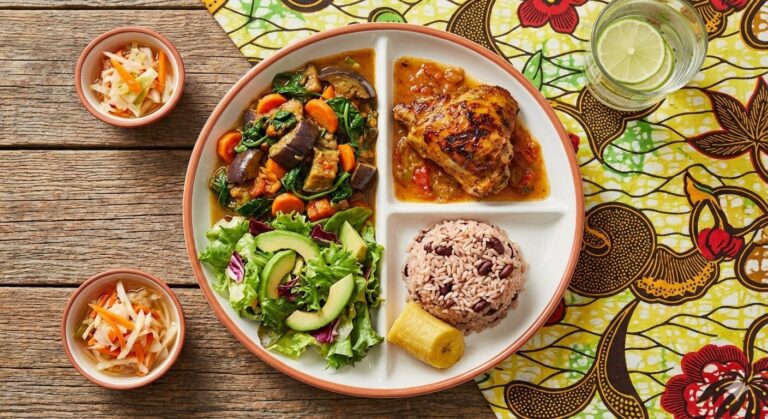
Healing Through the Haitian Kitchen: Iron-Rich Foods
As a nutritionist, I believe our traditional foods are our best medicine. Haitian cuisine offers incredible options for building blood.
Heme Iron (Animal-Based – High Absorption)
- Organ Meats (Fwa/Liver): Liver is the single most concentrated source of heme iron and Vitamin A. You only need it once a week to prevent nutrient toxicity.
- Red Meat & Poultry: Goat (kabrit), beef, and dark meat chicken are staples that provide easily absorbable iron.
- Seafood: Shellfish like clams and shrimp are surprisingly high in iron.
Non-Heme Iron (Plant-Based – Moderate Absorption)
- Legumes (Pwa): Red beans, black beans, and lima beans (pwa chous) are foundations of our diet.
- Cresson (Watercress): This is a nutritional powerhouse in the Haitian diet. It is some iron and Vitamin C—a perfect natural pairing.
- Epina (Spinach) & Leafy Greens: Always cook your greens! Cooking reduces oxalates, making the iron more available to your body.
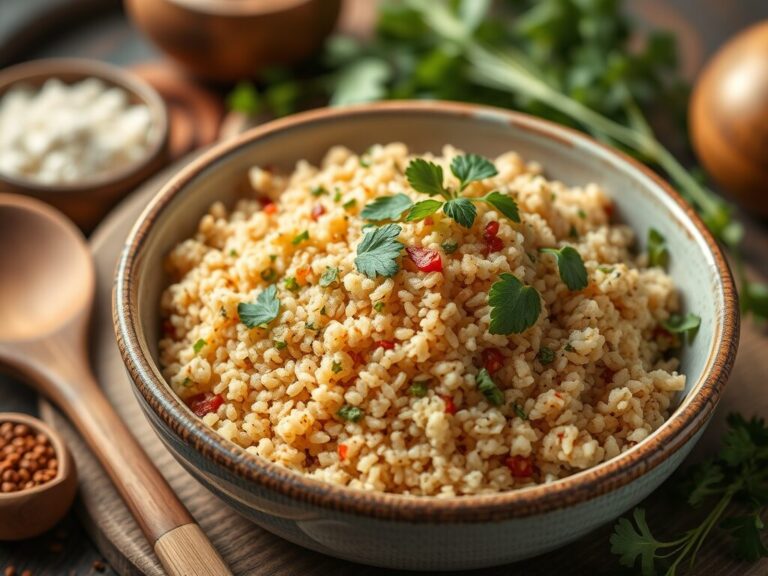
- Ble (Bulgur Wheat): As discussed in my previous posts, bulgur is a great whole-grain source of iron compared to white rice.
| Food Item | Iron Content (Approx per serving) | Type |
| Beef Liver (3 oz) | 5.0 mg | Heme |
| Cooked Lentils (1 cup) | 6.6 mg | Non-Heme |
| Cooked Spinach (1 cup) | 6.4 mg | Non-Heme |
| Beef / Goat (3 oz) | 2.5 mg | Heme |
| Black Beans (1 cup) | 3.6 mg | Non-Heme |
The Supporting Cast: Nutrients for Iron Metabolism
Iron is a team player. It cannot do its job of carrying oxygen alone. To fix anemia, you need these “co-factors”:
1. Vitamin C (The Absorber)
Vitamin C changes the chemical structure of plant-based iron, making it easier for your gut to pull it in.
- Haitian Sources: Lime juice (squeezed over your meats, fish, or beans), bell peppers in your epis, and tropical fruits like papay and mango.
2. Copper (The Transporter)
Copper is required for the enzyme that moves iron out of storage and into your red blood cells. Without copper, your iron gets “stuck.”
- Sources: Cashews, mushrooms, and sesame seeds.
3. Vitamin A (The Gatekeeper)
Vitamin A helps mobilize iron from your liver (where it’s stored) so it can be used to make hemoglobin.
- Haitian Sources: Joumou (pumpkin/squash), carrots, and liver.
4. B-Vitamins (B12 and Folate)
Sometimes, “anemia” isn’t an iron deficiency at all, but a B12 or Folate deficiency. These vitamins help your body build the actual red blood cell “container” that holds the iron. Sources of B-vitamins are primarily meats and fish.
Your Action Plan: How to Start Feeling Better
If you suspect you are anemic, don’t just “push through” it. Here is how to advocate for yourself:
- Request a Full Iron Panel: This includes Hemoglobin, Hematocrit, Ferritin, Iron Saturation, and TIBC.
- Audit Your Period: Track your cycle. If it’s heavy, ask your OBGYN to evaluate you for uterine abnormalities.
- Optimize Your Plate: Pair your beans with Vitamin C. Add more cresson to your stews. Use a cast-iron skillet (an old-school trick that actually works!).
- Check Your Gut: If you have bloating or acid reflux along with anemia, your gut health may be the “root cause” preventing absorption.
You deserve to have the energy to live your life fully. You are not “lazy,” and you aren’t “just tired”—you might just need to feed your blood.