Haitian Herbal Teas for Womb Health: What’s Safe, What’s Myth, and What to Avoid
In Haitian culture, a hot cup of tea (te fey) is often the first line of defense for almost any ailment. From easing morning sickness to relieving heavy menstrual cramps, herbal brews passed down through generations carry deep cultural trust. When managing uterine fibroids, Polycystic Ovary Syndrome (PCOS), or severe dysmenorrhea (painful periods), turning to Haitian herbal teas for womb health feels natural, comforting, and deeply personal.
However, as a registered dietitian specializing in women’s hormonal health, I often see patients who are either afraid to tell their doctors about the traditional teas they drink or, conversely, relying entirely on herbal infusions to treat complex reproductive conditions while delaying necessary medical care.
Herbal medicine is real medicine—it contains active phytochemicals that interact directly with our hormones, liver enzymes, and blood vessels. Let’s take an evidence-based look at popular Haitian teas used for womb health, separating clinical reality from myth so you can support your body safely.
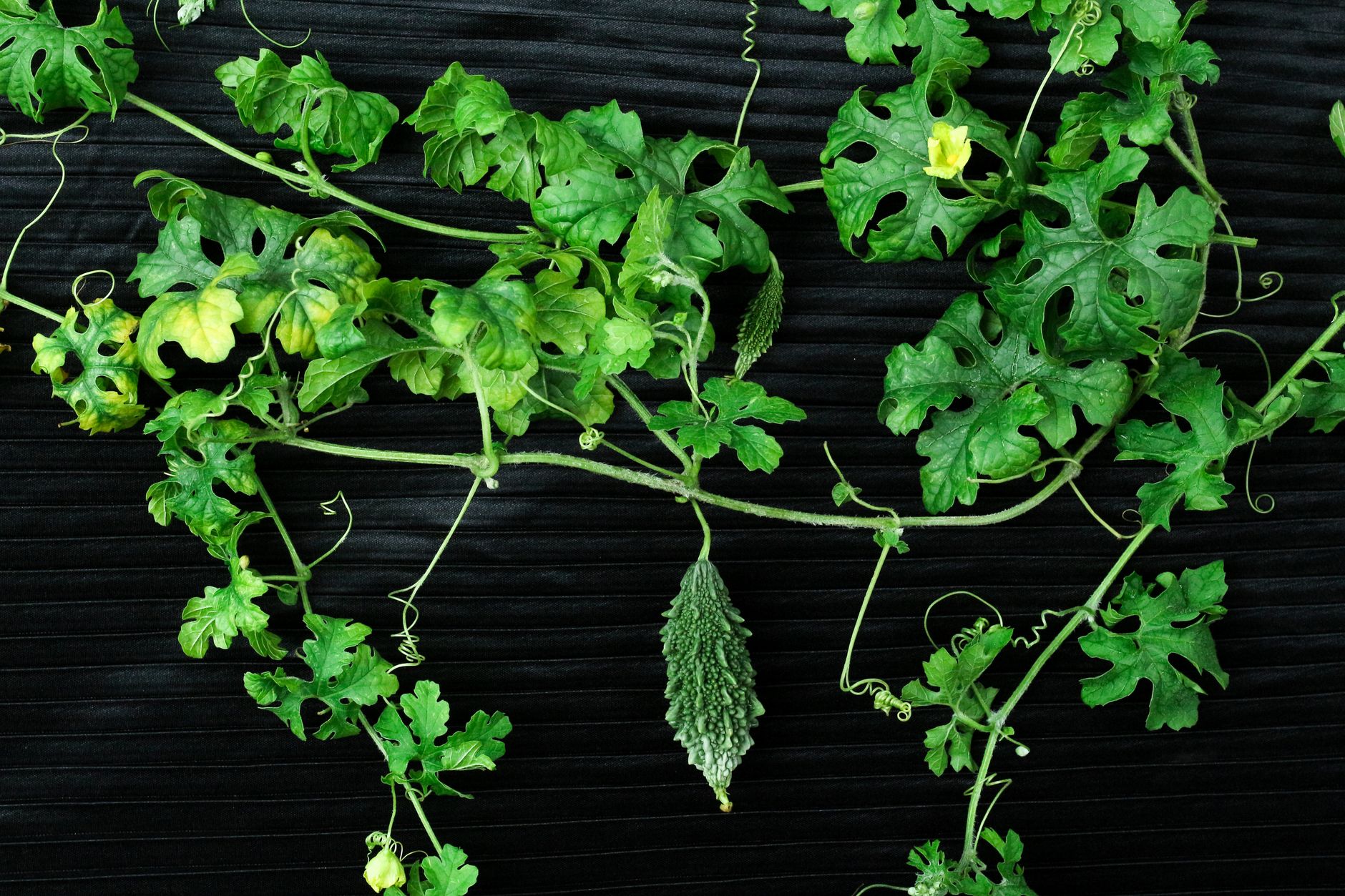
1. Asowosi (Bitter Melon / Momordica charantia)
Traditional Use: Commonly brewed to “cleanse the blood,” treat painful periods, and manage diabetes or metabolic complaints.
The Science
Asowosi is one of the most studied plants in botanical medicine. It contains active compounds—including charantin, vicine, and an insulin-like protein known as polypeptide-p—that act on cellular pathways to increase glucose uptake and improve insulin sensitivity.
Because insulin resistance is a primary metabolic driver of PCOS, asowosi does possess genuine metabolic benefits. By helping clear excess glucose from the bloodstream, it can indirectly support hormone regulation in women whose cycle irregularities stem from high insulin levels.
The Clinical Caution
- Hypoglycemia Risk: If you are already taking blood-sugar-lowering medications (like Metformin) or trying to manage gestational diabetes, combining them with concentrated asowosi tea can cause dangerous drops in blood sugar.
- Pregnancy Warning: High doses of asowosi extracts have been shown to stimulate uterine contractions and demonstrate abortifacient properties in animal studies. It should be strictly avoided during pregnancy.
2. Kowosòl Leaf (Soursop / Annona muricata)
Traditional Use: Used as a soothing, anti-inflammatory brew to shrink fibroids, alleviate anxiety, and reduce pelvic pain.
The Science
Soursop leaves are rich in acetogenins, alkaloids, and flavonoids that exhibit potent antioxidant and anti-inflammatory properties. Chronic, low-grade inflammation is a major contributor to menstrual pain and pelvic discomfort associated with endometriosis and fibroids. The anti-inflammatory actions of soursop tea can genuinely help soothe uterine cramping by downregulating inflammatory prostaglandins.
The Clinical Reality
Despite popular claims on social media, there is zero clinical evidence in humans that drinking soursop leaf tea can shrink uterine fibroids.
Uterine fibroids are benign, smooth-muscle tumors driven by complex estrogen and progesterone signaling, tissue extracellular matrices, and genetics. While soursop tea may offer mild pain relief by calming inflammation in the surrounding pelvic tissue, it cannot dissolve or eliminate a fibroid tumor. Relying on tea alone to “cure” fibroids often leads to delayed diagnosis, worsening anemia from heavy bleeding, and growth of the tumors over time.
3. Ginger & Cinnamon (Jangjanb ak Kanèl)
Traditional Use: Brewed to warm the uterus, bring on delayed periods, and relieve intense menstrual cramps.
The Science
This classic pairing is backed by robust clinical trials:
- Ginger (Zingiber officinale): Multiple randomized controlled trials have shown that ginger powder (750–2000 mg taken during the first 3–4 days of a period) is as effective as over-the-counter NSAIDs (like ibuprofen) at reducing menstrual pain severity. Ginger inhibits the cyclooxygenase (COX) enzymes, directly halting the production of excess inflammatory prostaglandins that cause painful uterine contractions.
- Cinnamon (Cinnamomum verum): Cinnamon has been shown to reduce menstrual bleeding, ease nausea, and lower primary dysmenorrhea pain. It also exerts mild insulin-sensitizing effects.
The Verdict
This is one of the safest, most effective herbal combinations for womb health. Drinking a warm ginger-cinnamon tea during the week leading up to your period is a evidence-backed, low-risk way to manage pain and support smooth blood flow.
4. Akajou (Cashew Bark or Leaf) & Bwa Kochon
Traditional Use: Often used in concentrated tonics to treat heavy menstrual bleeding, postpartum hemorrhage, or structural uterine issues.
The Science & Safety
Cashew bark infusions contain high levels of tannins, which exert an astringent effect—meaning they contract tissues and temporarily reduce fluid secretion or superficial bleeding. While this explains its traditional use for heavy cycles, concentrated bark and woody botanical preparations carry hidden risks:
- Liver and Kidney Strain: Tannins and alkaloids in high concentrations must be processed by the liver and excreted through the kidneys. Drinking concentrated bark or root brews daily can lead to hepatic toxicity or renal stress, especially if the dosage is unmeasured.
- Lack of Standardization: Unlike standardized herbal supplements, home-brewed barks vary wildly in potency depending on the age of the tree, soil composition, and boiling time, making consistent dosing nearly impossible.
The Myth of “Womb Detoxes”
One of the most persistent myths in wellness space is the idea that the uterus needs to be “cleansed” or “detoxed” after a period, miscarriage, or childbirth using bitter teas or vaginal steams.
Biologically, the uterus is a self-cleaning organ. Your body clears the uterine lining naturally each month through menstruation, regulated by a precise cascade of progesterone withdrawal and estrogen rise. Your liver and kidneys continuously handle internal detoxification 24 hours a day.
Drinking extremely harsh, laxative, or emmenagogue (period-inducing) teas under the assumption that your womb is “dirty” can disrupt your gut microbiome, irritate your intestinal lining, and throw your hormones further out of balance.
How to Safely Integrate Herbal Teas into Your Care
Herbal traditions hold immense value, comfort, and culture. You do not need to give up your connection to te fey to practice evidence-based health. Instead, follow these basic safety guidelines:
- Treat Tea as a Complement, Not a Replacement: Enjoy gentle herbs (like ginger, cinnamon, peppermint, or mild soursop leaf) to soothe symptoms, but always work with a healthcare provider to treat the root cause of heavy bleeding, severe pain, or irregular cycles.
- Be Honest with Your Healthcare Team: Always disclose the herbs you drink to your dietitian and physician. Botanicals can interact with anesthesia, blood thinners, and hormonal medications.
- Avoid Aggressive Cleanses During Pregnancy & Lactation: If you are actively trying to conceive, pregnant, or breastfeeding, avoid medicinal-strength bitter teas (asowosi, high-dose bark brews) entirely, as they can cross the placental barrier or pass into breastmilk.
- Focus on Whole-Food Hormonal Support: Remember that tea is just one tool. True hormonal balance is built on a foundation of stable blood sugar, adequate protein, iron-rich nutrition, stress management, and restorative sleep.
Key Takeaway for Your Womb Health
| Herbal Tea | Primary Benefit | Risk / Caution Level |
|---|---|---|
| Ginger & Cinnamon | Reduces menstrual cramp pain & inflammation | Low / Safe for most women |
| Soursop Leaf (Kowosòl) | Mild anti-inflammatory & antioxidant support | Moderate (Does not shrink fibroids; avoid excessive concentrated doses) |
| Bitter Melon (Asowosi) | Improves glucose uptake & insulin sensitivity | High Caution (Hypoglycemia risk if on meds; avoid in pregnancy) |
| Tree Barks / Roots | Astringent; traditionally used for heavy bleeding | High Caution (Risk of liver/kidney strain; non-standardized potency) |
Your health journey doesn’t require choosing between honoring your Haitian culture and trusting modern science. By bringing evidence-based knowledge to our traditional kitchen medicine, we can care for our bodies safely and effectively.