
Supplements: Friend or Foe?
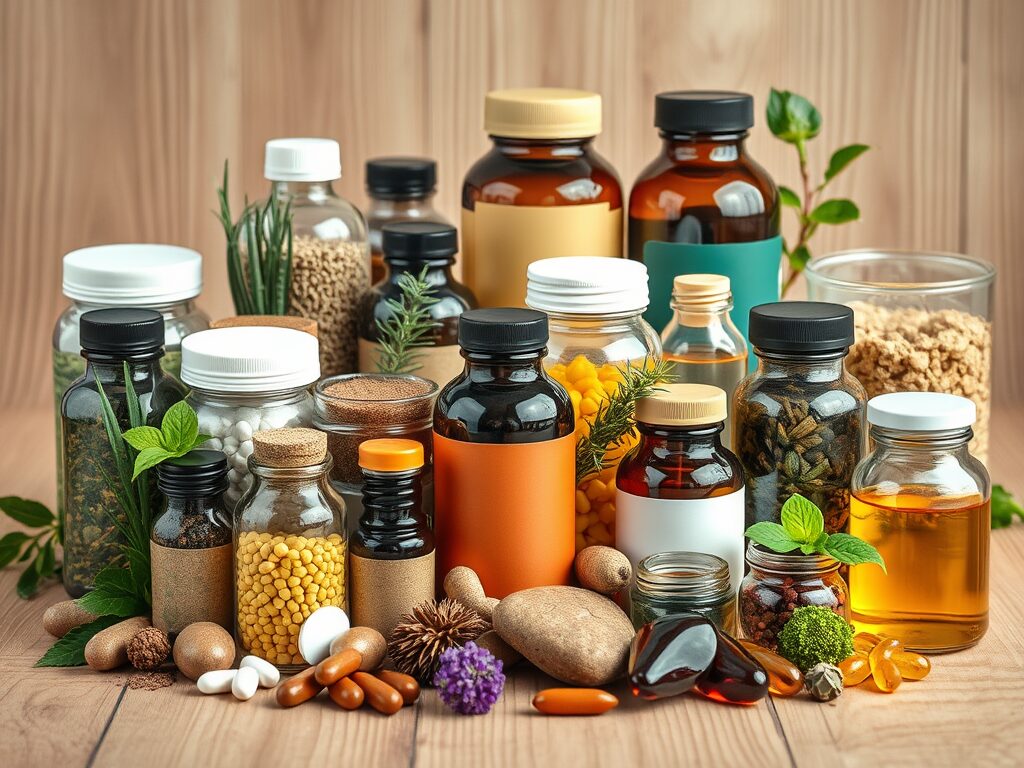
In an era of “wellness” influencers and 30-second TikTok cures, the supplement aisle has become the modern-day version of the Wild West. We are bombarded with promises: a gummy for anxiety, a capsule for “brain fog,” a powder for bloating, and a tincture for eternal energy. It is incredibly tempting to reach for a bottle when you don’t feel 100%, especially when the alternative involves the often-slow process of navigating the [American] healthcare system.
However, the “prescribe-it-yourself” approach to supplementation is a gamble that carries significant risks. While vitamins and minerals are essential to life, taking them in isolated, concentrated forms—often based on self-diagnosis—can be counterproductive, expensive, and even dangerous.
The Masking Effect: When “Feeling Better” Is a Red Flag
The most insidious risk of self-supplementing is the masking of underlying pathologies. Symptoms are the body’s alarm system; they are the “check engine” light on your dashboard. When you take a supplement to suppress a symptom without understanding its cause, you aren’t fixing the engine—you’re just putting a piece of black tape over the light.
The B12 and Folate Trap
A classic clinical example involves Vitamin B12 and Folate (B9). If a person is suffering from a B12 deficiency, they may experience fatigue and neurological issues. If they start taking a high-dose Folate supplement because they heard it helps with “energy,” the Folate can actually correct the blood-related symptoms (anemia) of a B12 deficiency.
On the surface, the person looks better on a blood test. However, the underlying B12 deficiency continues to damage the nervous system, potentially leading to irreversible nerve damage because the “warning light” of anemia was turned off by the wrong supplement.
Fatigue Isn’t Always a Vitamin Deficiency
We often equate fatigue with an iron or Vitamin D deficiency. While common, chronic fatigue can also be a primary symptom of:
- Hypothyroidism
- Clinical depression
- Sleep apnea
- Diabetes
- Autoimmune disorders
- Early-stage malignancies (e.g. cancer)
By self-treating with “adrenal support” herbal supplements or high-dose iron (which can be toxic if you don’t actually need it), you may delay a critical diagnosis by months or even years.
The “Food-First” Approach: Why Your Dietitian is Your Best Ally
When it comes to nutrients, the delivery system matters just as much as the molecule itself. This is why Registered Dietitians (RDs) almost universally advocate for a “food-first” approach.
Synergy and Bioavailability
Nutrients in food do not exist in isolation. When you eat an orange, you aren’t just getting Vitamin C; you are getting fiber, potassium, and hundreds of phytochemicals that work together. This is called nutritional synergy. For example, the fat-soluble vitamins (A, D, E, and K) require dietary fat for absorption. A dietitian can show you how to pair foods—like putting olive oil on your spinach—to maximize nutrient uptake naturally. Isolated supplements often lack these co-factors, leading to poor absorption or “expensive urine.”
The Risks of Fortification Overload
Many people take a multivitamin while also eating “functional” foods like fortified cereals, protein bars, and energy drinks. A dietitian can perform a nutrient gap analysis to see if you are actually deficient. Without this, you might be accidentally reaching “Tolerable Upper Intake Levels” (ULs), where vitamins transition from helpful to toxic.
Important Note: Excessive Vitamin A can lead to liver damage and bone loss, while too much Vitamin B6 can ironically cause the very nerve numbness people often try to treat with B-complexes.
The Hidden Danger of “Natural” Herbals
The word “natural” is one of the most successful marketing deceptions in history. Arsenic is natural; lead is natural; poisonous mushrooms are natural. In the supplement world, “natural” does not equate to “safe.”
Liver and Kidney Toxicity
Your liver and kidneys are the primary filtration systems for everything you ingest. Unlike standardized pharmaceuticals, herbal supplements often contain complex chemical compounds that can be incredibly taxing on these organs.
- Hepatotoxicity (Liver Damage): Many popular herbs, such as Kava, Comfrey, and even high-dose Green Tea Extract, have been linked to acute liver failure.
- Nephrotoxicity (Kidney Damage): Herbs like Aristolochia (sometimes found in “cleansing” teas) can cause permanent kidney scarring and failure.
Because the supplement industry is not regulated with the same rigor as the pharmaceutical industry, herbal supplements can sometimes be tainted with heavy metals (like lead or mercury) or “spiked” with actual prescription drugs to make them seem more effective.
The Necessity of a Doctor’s Oversight
Before starting any herbal regimen, you must consult a physician. They can check your Glomerular Filtration Rate (GFR) for kidney health and Liver Function Tests (LFTs) to ensure your organs can handle the additional load. Furthermore, herbs can have drug interactions. St. John’s Wort, for instance, can render birth control pills, blood thinners, and antidepressants ineffective. Your physician can let you know if a supplement is safe to take with your current prescription regimen.
Regulation Realities: The DSHEA Act of 1994
In the United States, the FDA does not approve supplements for safety or effectiveness before they hit the shelves. Under the Dietary Supplement Health and Education Act (DSHEA), the burden of proof is on the FDA to prove a product is unsafe after it is already on the market.
| Feature | Prescription Drugs | Dietary Supplements |
| Testing | Years of clinical trials required | No pre-market testing required |
| Safety | Must be proven safe before sale | Assumed safe until proven otherwise |
| Claims | Can claim to “cure” or “treat” | Can only use “structure/function” claims |
| Purity | Strictly monitored by FDA | More responsibility placed on the FDA |
Less oversight means that what is on the label may not always be what is in the bottle.
How to Be a Smart Consumer
If you and your healthcare team decide that supplementation is necessary, you should approach it with the precision of a scientist rather than the impulsivity of a shopper.
- Get Bloodwork First: Never supplement for a deficiency you haven’t confirmed via laboratory testing.
- Look for Third-Party Verification: Choose brands that have been tested by independent organizations like USP (U.S. Pharmacopeia), NSF International, or ConsumerLab. These seals ensure that the product actually contains what it claims and is free of contaminants.
- Specific Over General: Instead of a “Mega-Multi-Everything” pill, take only the specific nutrient you are lacking. This reduces the load on your liver and minimizes the risk of interactions.
- The “Why” Question: Ask yourself: “Why am I taking this?” If the answer is “I saw it on Instagram” or “I feel tired,” stop. Fatigue is a symptom that deserves a medical workup, not a random bottle of herbs.
Conclusion: Reclaiming Your Health Path
The desire to feel better is universal, and the appeal of a simple pill is understandable. But your body is a complex, integrated system. Treating it with random supplements is a playing a wild card on your health.
True wellness isn’t found in the bottom of a supplement bottle; it’s found in the synergy of nutrient-dense foods, adequate sleep, stress management, and a partnership with qualified healthcare professionals. Your dietitian can help you build a foundation of health through your fork, and your doctor can ensure that any targeted interventions you do use are protecting—rather than punishing—your vital organs.
Before you buy your next bottle of “miracle” pills, invest in a consultation with a professional who can help you find the actual root of your symptoms. Your liver, your kidneys, and your future self will thank you.