The Truth About Fruit, Juicing, and Blood Sugar
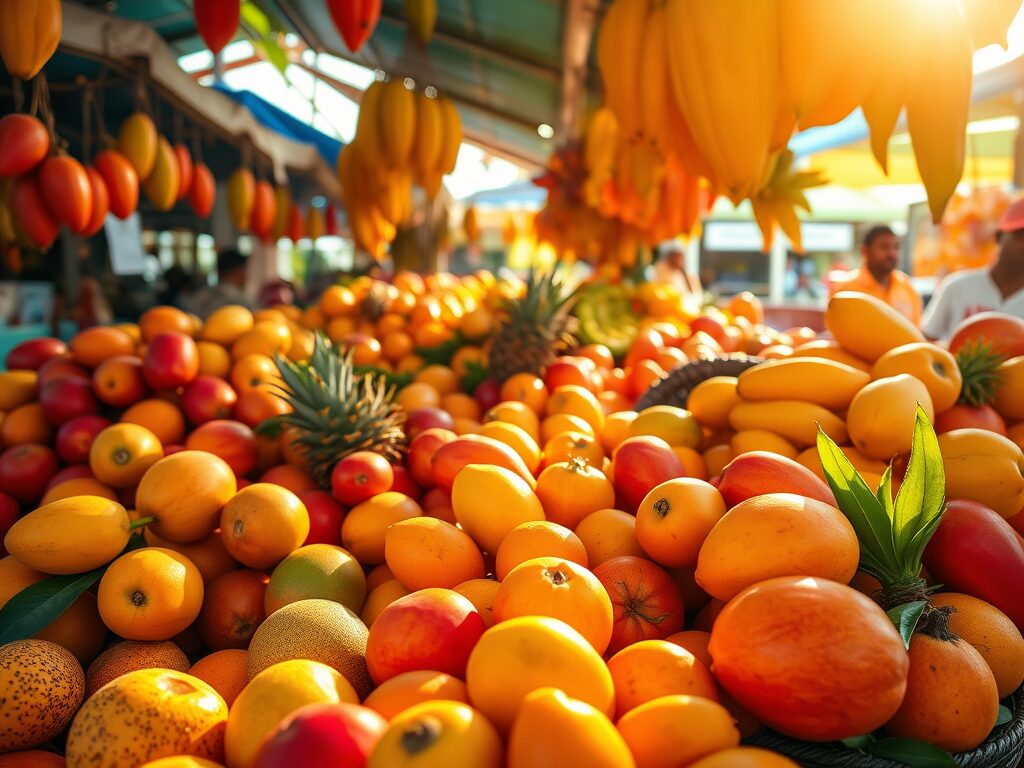
Walk into any Caribbean market or backyard in the heat of summer, and you are greeted by an absolute explosion of color and scent. The heavy, sweet perfume of ripe mangoes hanging from a branch; the bright, bumpy skins of kenèp; the soft, spiked green armor of kowosòl (soursop); and the deep pink flesh of a freshly sliced papaya. In our culture, fruit isn’t just a snack—it’s a seasonal celebration. It’s a gift passed over the fence by a neighbor, a refreshing antidote to the tropical sun, and a deep connection to the land.
But if you are a woman living with insulin resistance, Polycystic Ovary Syndrome (PCOS), prediabetes, or Type 2 diabetes, walking through that fruit market can trigger a wave of anxiety.
In modern wellness spaces, we are constantly bombarded with conflicting messages. On one side, influencers tell us that fruit is “nature’s candy” and should be avoided at all costs if we want to balance our hormones or lose weight. On the other side, we are told that because it grows from the earth, we can eat it in unlimited quantities without consequence.
The truth, as always, lies in the nuance. Fruit can absolutely raise your blood sugar—sometimes significantly. But you do not have to banish the flavors of the islands from your kitchen to stay healthy. Understanding the science of how your body processes fruit, why the traditional jug of fruit juice might be working against you, and how to strategically enjoy these gifts from nature will allow you to protect your metabolism while honoring your palate.
The Science: Why Fruit Raises Blood Sugar
To understand why a gorgeous, sun-ripened mango can cause your glucose levels to spike, we have to look at what happens inside your body at the cellular level.
Fruit contains a natural sugar called fructose, along with varying amounts of glucose and sucrose. When you eat a piece of fruit, your digestive system breaks these sugars down. Glucose enters your bloodstream directly, signaling your pancreas to release insulin—the hormone that acts as a key to let sugar into your cells for energy. Fructose, however, takes a different route. It travels straight to your liver to be processed.
If your liver is constantly flooded with massive amounts of fructose all at once, it gets overwhelmed. It begins converting that excess sugar into fat (triglycerides), which can contribute to fatty liver disease and worsen insulin resistance over time.
However, there is a massive difference between the refined fructose found in a can of soda (typically high fructose corn syrup) and the natural fructose found in a whole kowosòl. Nature never packages sugar alone. In a whole fruit, that fructose is locked inside a cellular matrix of water, vitamins, minerals, antioxidants, and, most importantly, fiber.
The fiber is the magic ingredient. It acts like a natural net in your digestive tract, slowing down the speed at which your stomach empties and delaying the absorption of sugar into your blood. When you eat a whole fruit, your blood sugar rises gradually, giving your pancreas plenty of time to deploy insulin efficiently.
But not all fruits are created equal. Some Caribbean favorites are naturally much higher in simple sugars and lower in fiber, meaning they have a higher Glycemic Index (GI). A massive bowl of ripe diri ak mango or sweet pineapple will hit your bloodstream much faster than a handful of berries or a crisp green apple.
The Juicing Trap: Why the Jug of “Jus” Isn’t Your Friend
This brings us to one of the most deeply ingrained habits in Caribbean households: the Sunday morning jug of fresh, homemade fruit juice. Whether it is jus grenadya (passion fruit), sweetened papaya juice, or a blended mix of tropical fruits, juice is often viewed as the pinnacle of health. After all, it’s fresh! There are no artificial preservatives!
But from a metabolic standpoint, juicing is essentially doing the work of a processing plant in your own kitchen.
When you run fruit through a juicer—or even when you blend it extensively and strain out the pulp—you are actively stripping away the fruit’s most powerful defense mechanism: its insoluble fiber.
The Reality of the Glass: When you drink a single glass of fresh mango-orange juice, you aren’t consuming the sugar of one fruit. You are easily consuming the concentrated sugar of three mangoes and two oranges, entirely decoupled from the fiber that was meant to protect your liver.
Without that fiber matrix, the liquid sugar hits your stomach and enters your bloodstream almost instantly. Your blood sugar rises quickly. In response, your pancreas panics and pumps out a massive wave of insulin to clear the emergency. This extreme spike is almost always followed by an equally dramatic crash, leaving you feeling shaky, irritable, fatigued, and intensely craving more carbohydrates just a few hours later.
Furthermore, because liquid calories don’t require chewing, they fail to trigger the stretch receptors in your stomach or the satiety hormones (like GLP-1) in your brain that tell you you’re full. You can easily drink 300 calories of tropical fruit juice in two minutes without feeling satisfied, whereas eating 300 calories of whole fruit would require significant physical effort and leave you feeling physically stuffed.
For most people—especially women managing hormonal conditions or insulin resistance—daily juicing is a fast track to worsening metabolic health, even if the juice is 100% natural.
5 Strategic Ways to Eat Tropical Fruit Safely
You do not need to say goodbye to your favorite fruits to maintain your blood sugars. Instead of restricting your cultural staples, you simply need to change how and when you invite them to your plate.
Here are five clinical, practical strategies to maximize the joy of fruits while minimizing the metabolic impact.
1. Always Wear a “Clothing” Molecule (Pair with Protein and Fat)
Never let your fruit go “naked.” Eating a piece of fruit entirely by itself on an empty stomach is an open invitation for a blood sugar spike. Instead, always clothe your fruit in a jacket of protein or healthy fat.
Just like the natural fiber within the fruit, external protein and fat slow down gastric emptying. They take a long time to break down in the stomach, which ensures that the fruit’s natural sugars are trickled into your bloodstream over several hours rather than delivered all at once.
- Island-Inspired Swaps: Instead of just eating a bowl of mango slices, pair them with a handful of raw cashews or almonds. If you love papaya, consider scooping out the seeds and filling the center with a high-protein yogurt, sprinkling cinnamon on top.
2. Respect the Sequence (Eat Fruits Last)
The order in which you consume your food dictates your post-meal hormonal response. If you sit down for lunch and immediately eat your fruit snack first, you hit an empty digestive tract with quick-acting sugars.
Instead, use fruit as nature’s dessert at the end of a balanced meal. If you have just eaten a plate composed of grilled pwason (fish), a large side of sautéed legim (vegetables), and a moderate portion of diri ak pwa (rice and beans), your stomach is already full of fiber, protein, and fats. Injecting fruit into the system at this point means its sugars get trapped in the existing digestive “mesh,” improving the glucose response.
3. Choose the Right State of Ripeness
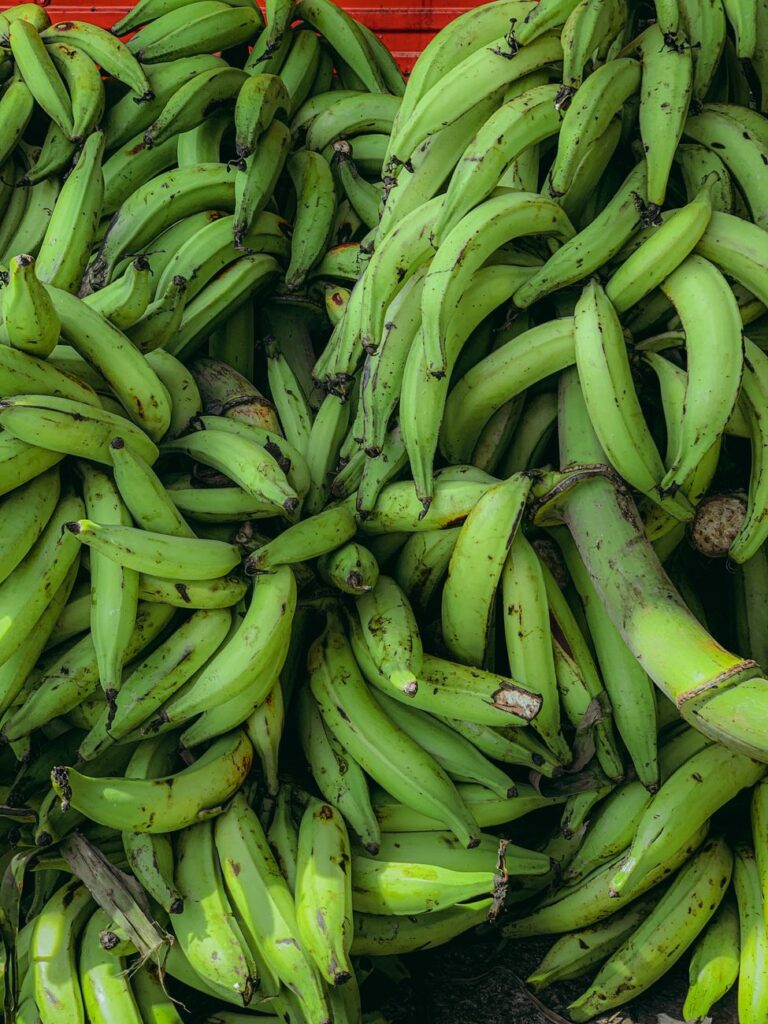
In the Caribbean, we enjoy fruits at various stages of maturity. Think of plantains: we eat them green and starchy, or yellow and sweet.
As fruit ripens, its complex carbohydrates naturally break down into simple sugars. A green, slightly firm banana or mango contains significantly more resistant starch and less free sugar than one that is soft, bruised, and intensely fragrant.
- The Strategy: Experiment with fruits that are slightly on the firmer side. Eating a mango when it is just ripe enough to slice easily, rather than when it is incredibly soft, provides far more prebiotic fiber and a much gentler blood sugar response.
4. Practice Portion Awareness (The “Hand” Rule)
You don’t need to weigh your food on a digital scale to be healthy, but volume matters. A single serving of fruit should roughly fit into the palm of your hand.
When enjoying high-glycemic tropical fruits like pineapple, melon, or mango, stick to a 1-cup serving at a time. Spread your fruit intake throughout the day rather than sitting down with a massive fruit salad containing four different varieties. Your body can process small amounts of fructose with absolute ease; it only struggles when it faces a mountain.
5. Move Your Muscle Cells Afterward
Your muscles are your body’s largest “glucose sinks.” When your muscle cells contract during physical activity, they are capable of pulling sugar directly out of your bloodstream to use for fuel without even needing insulin.
Take advantage of this biological cheat code. If you enjoy a refreshing slice of watermelon or a sweet piece of fruit, don’t immediately sit down at your desk or lie down for a nap. Take a brisk 10-to-15-minute walk around your neighborhood, clean the kitchen, or do some light movement. By activating your muscles right as the sugars from the fruits are entering your system, you use up some glucose for energy.
| Fruit Type | Glycemic Impact | Best Strategy for Enjoyment |
| Berries, Guava, Avocado | Low | Great for snacks; inherently high in fiber. |
| Papaya, Oranges, Green Bananas | Moderate | Pair with Greek yogurt or a hard-boiled egg. |
| Mango, Pineapple, Ripe Plantain | High | Keep portions to 1/2 or 1 cup; eat after a protein-rich meal. |
Reclaiming Food Freedom
Your cultural foods are not your enemy. The vibrant fruits that have sustained generations of our families are packed with vital nutrients, hydration, and life. Disease prevention is not about living in fear of a mango tree.
By stepping away from the juicing pitcher, understanding how fructose behaves in your body, and always pairing your sweet treats with the grounding power of protein and fats, you can support your hormones, stabilize your energy, and keep the beautiful traditions of the Caribbean alive on your plate.
Looking for another blog post? Check here.
Additional resource: https://www.health.harvard.edu/diseases-and-conditions/blood-sugarfriendly-fruits-if-you-have-diabetes